Every family has a story worth remembering. Behind every name is a person, behind every photograph is a memory, and behind every generation is a connection that deserves to be preserved. Our family roots are an important part of who we are. They remind us where we come from, help us understand our heritage, and connect us with the people who came before us.
Yet, as life becomes busier and families spread across different cities and countries, it is becoming easier to lose touch with our family history. Many children grow up knowing little about their grandparents or great-grandparents. They may recognize a few family names but have never heard the stories, experiences, and memories behind them.
In Islam, family relationships hold a special place. Maintaining ties with relatives, respecting parents, and caring for family members are important parts of our faith. Taking an interest in our family history can also help us appreciate these relationships and encourage us to pass our heritage on to future generations.

Why Knowing Our Family Roots Matters in Islam
Islam teaches us to value family relationships and maintain strong connections with our relatives. Allah reminds us in the Quran:
"And be mindful of Allah—in Whose Name you appeal to one another—and (honor) family ties."(Surah An-Nisa 4:1)This verse reminds us that family ties are not something to take for granted. They come with responsibilities that deserve our attention and care.
Knowing our family roots can help us better understand these connections. It gives us an opportunity to learn about our parents, grandparents, and extended relatives, while appreciating the lives and sacrifices of those who came before us.
It is not simply about tracing names or collecting dates. It is about understanding our shared history, remembering our loved ones, and recognizing the relationships that connect one generation to another.
Preserving Family History for Future Generations
Think about the stories your grandparents have shared over the years. They may remember the places where your family once lived, the challenges their parents faced, or the experiences that shaped their childhood. These stories offer a glimpse into a world that younger generations may never experience themselves.
Unfortunately, many of these memories are lost over time. When older family members pass away without sharing or recording their experiences, valuable parts of family history can disappear with them.
That is why preserving family memories matters.
Old photographs, letters, important documents, personal stories, and family milestones can help keep this history alive. Recording these details today gives children and grandchildren an opportunity to discover their heritage in the years ahead.
A family tree makes this process easier by bringing names, relationships, photographs, and generations together in one organized place. It helps families understand how they are connected and gives future generations a meaningful record of their shared past.
What may seem like a small memory today could become a treasured part of your family's history tomorrow.
Teaching Children About Their Grandparents and Ancestors
Children often become curious about their family as they grow older. They want to know who their grandparents were, where their parents grew up, and what life was like before they were born.
These questions create wonderful opportunities for parents and grandparents to share family stories and experiences.
Talking about previous generations can help children learn about their grandparents and great-grandparents, understand family traditions, and appreciate the sacrifices that helped shape their lives. It also teaches them the importance of respecting elders and maintaining relationships with relatives.
Imagine a child looking at a family tree and recognizing the faces and names of grandparents, great-grandparents, uncles, aunts, and cousins. Instead of hearing about these relationships only in conversation, children can see how their family connects across generations.
These shared discoveries can bring families closer and encourage meaningful conversations between younger and older family members.
More importantly, children begin to understand that they are part of a much larger family story, one that began long before they were born and will continue long after them.
How an Islamic Family Tree Helps Connect Generations
Today, families often live far apart. Relatives who once lived in the same neighborhood may now be spread across different cities, countries, and continents. Although messaging apps and social media make communication easier, they do not always provide a practical way to organize family relationships or preserve family history.
An online family tree offers a simple way to bring this information together.
Through
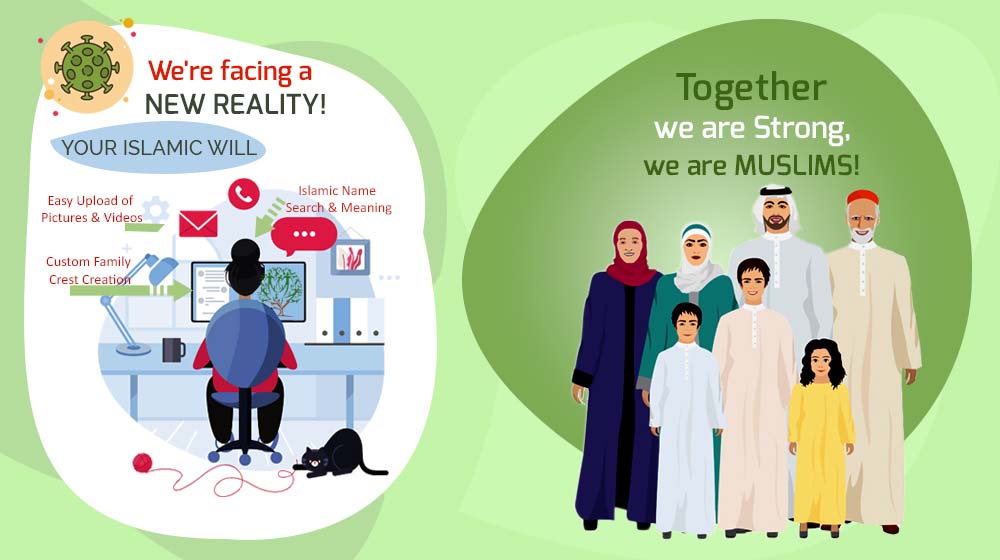
IslamicFamilyTree.com, families can build and share their family trees, add photographs, connect relatives, and preserve meaningful family memories in one place.
It gives family members an opportunity to explore their relationships, learn about relatives they may not know very well, and help younger generations understand their family background.
Whether your family lives in Pakistan, the United States, the United Kingdom, the Middle East, or somewhere else in the world, staying connected to your roots remains important.
A family tree is more than a collection of names. It represents the relationships, memories, and experiences that bring generations together.
Keeping Family Memories Safe and Private
Family history often includes personal photographs, important dates, and information about loved ones. When preserving these memories online, privacy deserves just as much attention as convenience.
Not every family photograph or personal detail needs to be shared publicly on social media. Families should have a way to organize their memories and share them in a more private and meaningful environment.
It is also important to respect the privacy of relatives, particularly children and family members who may prefer not to share their personal information online.
IslamicFamilyTree.com recognizes the importance of this responsibility and emphasizes its commitment to privacy with a simple message:
"We do NOT sell your data."Preserving family history should be about bringing people closer, protecting meaningful memories, and creating something valuable for future generations without compromising personal privacy.
Start Preserving Your Family Legacy Today
You do not need to wait for a special occasion to begin recording your family history. You can start with the information and memories you already have.
Talk to your parents and grandparents. Ask them about their childhood, their parents, and the places where previous generations lived. Collect old photographs, write down family names, and record the stories that might otherwise be forgotten.
You do not have to document everything at once. Even a few names, photographs, and personal memories can provide a valuable starting point.
One day, your children and grandchildren may wish they knew more about the people who came before them. The memories you preserve today could become some of their most treasured possessions.
Our family roots connect us to the past, help us appreciate the present, and give future generations a better understanding of their heritage.
Build your family tree, preserve your memories, and keep your family connected for generations to come.Visit
IslamicFamilyTree.com and take the first step toward preserving your family's story.
Because every family has a story worth remembering.