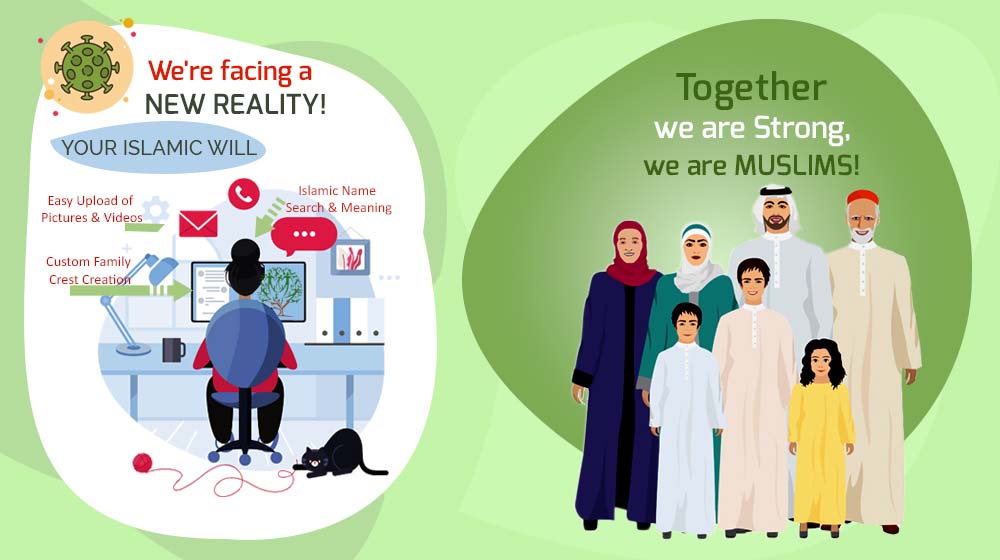
Every family has a history worth preserving. Unfortunately, much of that history can disappear over time. Photographs get misplaced, important details are forgotten, and stories that were once familiar gradually fade as older generations pass away. Even in large Muslim families, younger members may know very little about their extended relatives or where their family originally came from.
Creating a family tree is a wonderful way to bring these scattered pieces together. It gives family members an opportunity to understand their relationships, preserve meaningful memories, and pass their heritage on to future generations. With an online platform such as IslamicFamilyTree.com, the process can be much easier than many people imagine.
Why Your Family History Deserves to Be Preserved
A family tree is much more than a collection of names, dates, and relationships. It tells the story of the people who came before us and the experiences that helped shape our families.
Think about everything your grandparents might know that has never been written down. They may remember relatives from several generations ago, family traditions, marriages, migration stories, or important events that younger members have never heard about. Once these memories are lost, recovering them can be difficult, if not impossible.
For Muslim families, preserving family connections also reflects values that hold an important place in Islam. Maintaining relationships with relatives, respecting parents, caring for family members, and strengthening family ties (Silat al-Rahim) are all part of a meaningful family life.
Knowing our family history can help children develop a deeper appreciation for their parents and grandparents. It also gives relatives an opportunity to reconnect and learn more about the people who share their family story.
That is why starting a family tree today can be such a valuable decision. You do not need to have every detail available. Even a few names and photographs can provide a starting point for something that grows over time.
Start Small and Let Your Family Tree Grow Naturally
Many people put off creating a family tree because they assume it will take too much time or require complicated software. They imagine large charts, endless data entry, and hours spent trying to organize family relationships.
But there is no reason to make the process difficult.
Start with the people closest to you. Add your name, parents, grandparents, brothers, sisters, spouse, and children. Once you have established these basic relationships, you can gradually include uncles, aunts, cousins, grandchildren, and other relatives.
You may not know the names of every great-grandparent or distant cousin, and that is perfectly fine. Leave the gaps until you have an opportunity to ask someone who might know more.
The important thing is to begin.
With IslamicFamilyTree.com, families have an online platform where they can build and expand their family tree rather than keeping separate records in notebooks, spreadsheets, or different devices. As new information becomes available, it can become part of the growing family record.
Think of it as a long-term family project. Add a few relatives today, upload some old photographs tomorrow, and invite another family member to contribute when they have time.
Simple Navigation Makes a Big Difference
A family tree often starts with just a handful of people. However, as more generations and extended relatives are added, it can quickly become a much larger network.
Imagine trying to find a particular cousin or understand how you are connected to a great-grandparent in a family tree containing hundreds of names. Without a clear structure, finding the right information can become frustrating.
This is where simple navigation becomes important.
A well-organized family tree should make it easy to explore relationships, understand different family branches, and move between generations without feeling overwhelmed. Users should be able to focus on discovering their family connections rather than struggling with complicated menus or confusing layouts.
This is particularly helpful when several generations are involved. Older relatives may be more comfortable sharing information verbally, while younger family members can help organize it online.
When the process is straightforward, more people are likely to participate. And the more relatives contribute, the more complete and meaningful the family tree becomes.
Technology should make preserving family history easier, not turn it into another complicated responsibility.
Remember to Include Both Sides of Your Family
When people first create a family tree, they often concentrate on their immediate relatives or one particular branch. While that is a reasonable starting point, there is so much more to discover when both sides of the family are included.
Consider your father's side of the family. You may know your paternal grandparents, uncles, aunts, and cousins, but what about the generations before them?
Now think about your mother's side. There may be relatives whose names you have heard only occasionally, family photographs you have never seen, or stories that have never been properly recorded.
Each branch contributes to your family's overall history.
It is equally important to recognize the role of women in preserving family heritage. Mothers, grandmothers, daughters, sisters, and aunts often remember valuable details about relationships, traditions, and family experiences. Their knowledge can help fill gaps that might otherwise remain unanswered.
Family structures can also be different. Some families include adopted children, step-relatives, second marriages, and other relationships. These connections should be recorded thoughtfully and respectfully, allowing the family tree to reflect real family relationships as accurately as possible.
A complete family history should make room for everyone who is part of the story.
Preserve More Than Names and Dates
One of the most rewarding parts of building a family tree is discovering that it can preserve much more than basic family information.
A name tells you who someone was, but a photograph, biography, or personal story can help you understand something about their life.
For example, imagine your grandchildren opening their family tree years from now and finding a photograph of their great-grandfather along with a short account of his life. They might discover where he grew up, what kind of work he did, how he supported his family, or what people remember most about him.
These details turn a simple family record into something much more personal.
Whenever possible, consider adding:
- Old and recent family photographs.
- Short biographies of parents, grandparents, and other relatives.
- Important birth, marriage, and family milestones.
- Stories about migration, family traditions, and memorable experiences.
- Videos from family gatherings and special occasions.
- Audio recordings of grandparents sharing their memories.
- Historical documents and other meaningful family records.
IslamicFamilyTree.com supports the idea of bringing family information, photographs, videos, audio, and biographies together. Having these memories organized in one place can make it easier for relatives to discover and appreciate their shared heritage.
After all, these are not simply digital files. They are reminders of the people and experiences that have shaped your family.
Stay Connected With Relatives Around the World
Families today are often spread across different cities and countries. A brother may be living in the United States, a sister in the United Kingdom, parents in Pakistan, and cousins in the Middle East.
Although messaging apps and video calls help everyone stay in touch, keeping track of extended family relationships can still be challenging.
An online family tree offers another way to bring relatives together. Instead of depending on one person to collect and maintain all the information, family members can contribute what they know and help expand different branches.
For instance, an older uncle might remember the names of previous generations, while a cousin has photographs from a family wedding. Another relative may know important dates or have stories about ancestors that nobody else has documented.
When these contributions are brought together, the family history becomes richer and more complete.
It can also encourage younger relatives to become more interested in their heritage. An unfamiliar name or an old photograph may lead them to ask questions they would never have thought to ask otherwise.
Sometimes, the simple act of building a family tree creates conversations that bring relatives closer together.
Keep Family Information Private and Protected
Sharing family history online is convenient, but privacy should never be overlooked.
Family trees can contain personal details, photographs, relationships, and information that relatives may prefer to keep within the family. Before adding or sharing sensitive information, it is important to understand the platform's privacy policies and available account controls.
IslamicFamilyTree.com emphasizes user privacy and clearly states, "We do NOT sell your data." This is an important consideration for families looking for an online space to organize their personal history.
It is also sensible to keep secure backup copies of particularly important photographs and documents. Digital storage makes information easier to access, but having an additional backup can provide extra peace of mind.
Another simple consideration is permission. Before uploading photographs or personal information belonging to other relatives, especially children, make sure you have their approval.
Preserving family memories should always go hand in hand with respecting the people those memories represent.
Involve Children in Discovering Their Family Roots
Children are often naturally curious about their grandparents, cousins, and relatives they may not see regularly. A family tree can turn that curiosity into an enjoyable learning experience.
Parents can show children photographs from earlier generations, explain how different relatives are connected, and share stories about how their family lived in the past.
Older children can also take an active role. They might help organize photographs, write short family biographies, or interview grandparents about their childhood memories.
These activities offer more than a history lesson. They encourage children to appreciate their elders, understand family relationships, and recognize the importance of staying connected with relatives.
For Muslim families, it is also a natural opportunity to discuss the value of kindness, respect, and maintaining family ties.
Rather than treating family history as something belonging only to older generations, make it an activity everyone can enjoy.
Let Your Family Tree Grow With Every Generation
One thing worth remembering is that a family tree is never really finished.
Families continue to grow and change. Children are born, relatives get married, new family members join, and important milestones take place. A useful family tree should have room for all these changes.
You might begin with just 15 or 20 relatives. A few months later, after speaking with grandparents and cousins, you may discover information about generations you knew very little about.
Some details will be easy to confirm, while others may require a little research. You might need to check an old photograph, ask an older relative about a name, or compare information shared by different family members.
There is no need to rush. Accuracy is more important than filling every gap quickly. If you are unsure about a particular relationship or date, leave it incomplete until you can verify the information.
By updating your family tree occasionally and encouraging relatives to participate, you can create a valuable record that remains useful for years to come.
Start Building Your Family Story Today
There is always another day to organize old photographs, write down family stories, or ask grandparents about their childhood. But memories can fade, and some opportunities to hear these stories directly from older relatives may not come again.
You do not need to wait until you have collected every document or identified every ancestor. Begin with what you already know. Add your immediate family, include a few photographs, and invite relatives to help fill in the missing details.
As time passes, those small contributions can grow into a meaningful record of your family's history.
IslamicFamilyTree.com provides an online place for families to build, expand, and maintain their family trees while preserving photographs, videos, biographies, and other cherished memories. With features designed to help families organize their relationships and bring relatives together, it is worth exploring if you want to keep your family heritage alive.
Visit
IslamicFamilyTree.com and take the first step toward creating a family tree that can continue growing with every generation.
Your family history is not simply about where you came from. It is about the people who shaped your life, the relationships that connect you, and the memories that deserve to be passed on. Start preserving that story today, so future generations have the opportunity to discover it tomorrow.